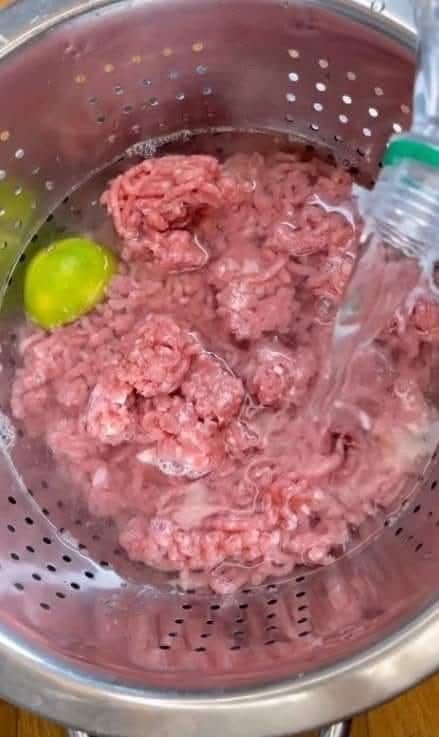

Should You Wash Ground Beef Before Cooking?
A Kitchen Debate: Fat, Flavor, and Food Safety
When it comes to cooking with ground beef, there’s a long-standing debate among home cooks and chefs alike.
Some people swear by rinsing ground beef as a way to cut fat and calories. Others insist that doing so ruins flavor and texture. So who’s right?
Let’s break down both sides and help you decide what truly works best in your kitchen.
The Case for Rinsing Ground Beef
Fat Reduction and Health Goals
One of the main reasons people rinse ground beef is to reduce fat, especially when using higher-fat blends like 80/20.
Rinsing cooked ground beef under hot water can:
- Reduce fat content by up to 50 percent
- Lower overall calorie intake
- Remove excess grease that can weigh down dishes
This approach is sometimes used by people managing cholesterol, heart health, or strict low-fat diets.
A Cleaner, Less Greasy Result
For recipes where excess oil is undesirable—such as tacos, casseroles, stuffed peppers, or pasta bakes—rinsing can create a lighter final dish.
It also helps ingredients combine more evenly without pools of grease affecting texture or appearance.
The Case Against Rinsing Ground Beef
Loss of Flavor
Many chefs and food experts strongly advise against rinsing ground beef because fat plays a major role in taste and mouthfeel.
Fat contributes to:
- Juiciness
- Rich, savory flavor
- Proper browning and caramelization
Rinsing removes these elements, often resulting in meat that tastes bland and feels dry.
Texture Issues
Rinsing cooked ground beef can rapidly cool it down, which may cause it to become firmer and less tender.
If the meat isn’t drained thoroughly, extra water can also dilute sauces, leading to watery chili, tacos, or meat-based fillings.
The Mess Factor
Washing ground beef—especially when hot—can create practical problems:
- Grease splatters around the sink
- Fat and water mix, making cleanup slippery
- Hardened fats may clog drains over time
A cleaner alternative recommended by many cooks:
- Brown the beef fully
- Drain it in a colander
- Blot with paper towels to absorb excess grease
This method reduces fat without sacrificing flavor or causing plumbing issues.
Food Safety Comes First
The USDA does not recommend washing raw meat, including ground beef.
Here’s why:
- Rinsing raw beef spreads bacteria through splashing water
- Surfaces, utensils, and sinks can become contaminated
- Washing does not kill bacteria—proper cooking does
If fat content is a concern, choosing leaner beef (90/10 or 93/7) is safer and more effective than rinsing raw meat.
What About Rinsing After Cooking?
Some people do rinse ground beef after cooking, particularly for salads, lettuce wraps, or very low-fat meals.
While this can reduce grease, it’s usually unnecessary. Instead, you can:
- Use a slotted spoon to remove fat
- Drain on paper towels
- Balance richness by adding broth or vegetables
This preserves flavor while keeping dishes lighter.
Pros and Cons Summary
Pros
- Reduces fat and calories
- Controls grease in certain dishes
- Useful for specific low-fat diets
- Improves appearance in some recipes
Cons
- Removes natural flavor and moisture
- Can dry out the meat
- Creates extra cleanup
- Unsafe if done with raw beef
So, Should You Wash Ground Beef? The Verdict
Ultimately, the answer depends on your priorities.
If flavor, texture, and food safety matter most, draining and blotting is the best option.
If you’re following a strict low-fat diet and rinsing after cooking, it can be used occasionally with care.
For most home cooks, choosing leaner ground beef and draining properly delivers the best balance of taste, health, and safety—no rinsing required.
If you want, I can also:
- Shorten this for social media
- Rewrite it in a more casual tone
- Optimize it for a food blog or Facebook post