
Introduction
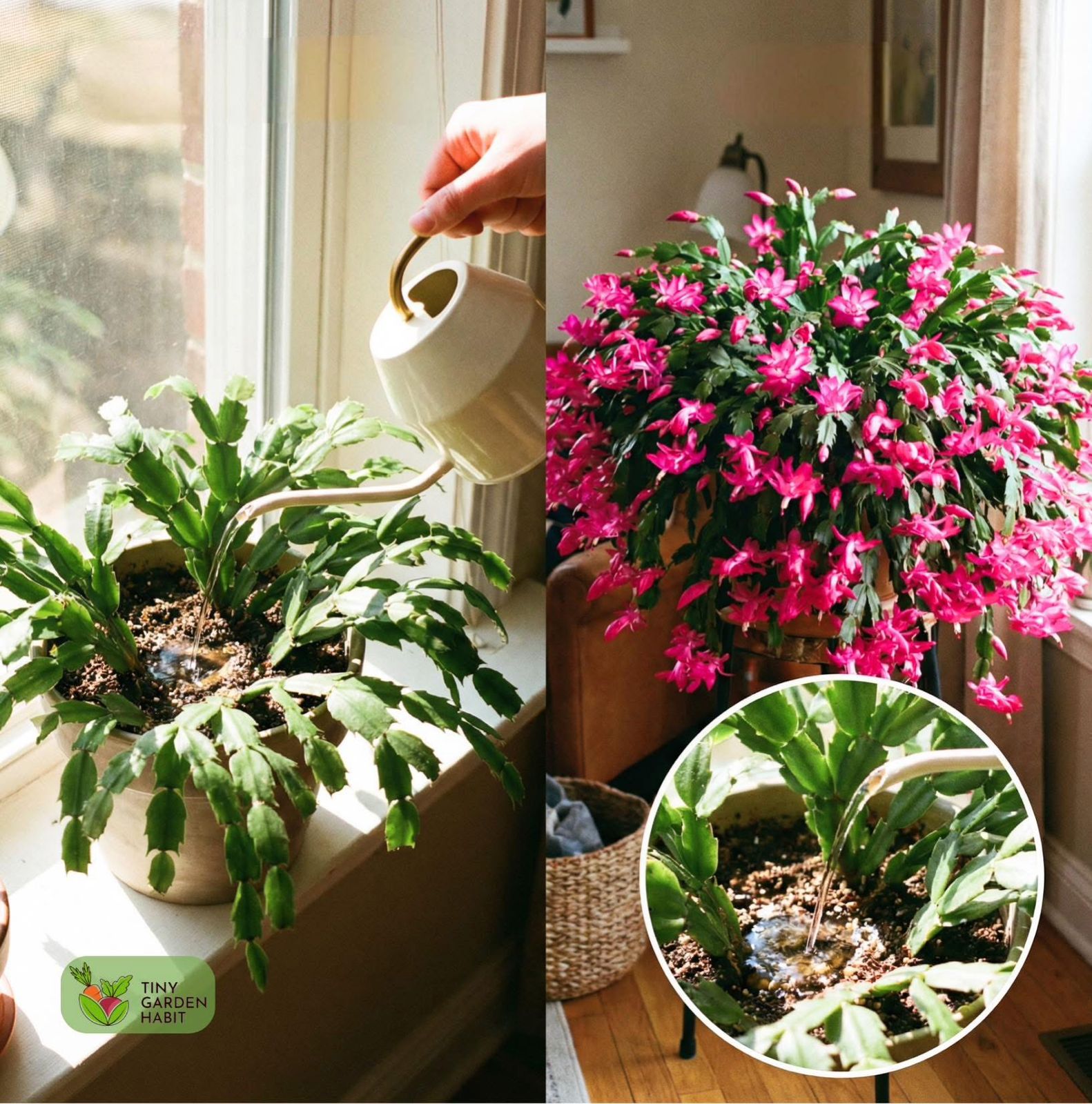
Your Schlumbergera needs a careful diet just as much as any living thing. While we cannot expect people around us to suddenly bloom, we can certainly expect beautiful flowers from a well-cared-for Christmas cactus. The secret is giving the plant the right nutrients at the right time of year. A gentle, consistent feeding routine helps the cactus grow strong segments, healthy roots, and produce vibrant blooms during the holiday season.
Unlike many houseplants, Christmas cactus prefers light feeding. Because it is an epiphyte in nature, it is adapted to survive with minimal nutrients. Overfeeding is one of the most common mistakes growers make. Too much fertilizer can lead to salt buildup in the soil, which burns the leaves and damages the roots.
However, “light feeding” does not mean “no feeding.” Your plant still needs small amounts of nutrients throughout its growing season. Proper fertilization strengthens the root system and prepares the plant for its spectacular winter bloom.
Understanding how and when to fertilize is the key to success.
Golden Rule of Fertilizing Christmas Cactus
Always dilute your fertilizer. Even when using a balanced houseplant fertilizer such as 10-10-10 or 20-20-20, mix it at half or even quarter strength. This provides the plant with gentle nutrition without overwhelming its sensitive root system.
Later in the year, especially toward late summer, switching to a fertilizer higher in phosphorus helps encourage flower bud formation.
An optional supplement is Epsom salt. Dissolve one teaspoon of Epsom salt in one gallon (about four liters) of water and use this solution once during the active growing season instead of plain water. Magnesium from Epsom salt can improve chlorophyll production and give the plant deeper green segments.
Never apply fertilizer at full strength. Light feeding keeps the plant healthy and prevents fertilizer burn.
Month-by-Month Fertilizer Routine
January and February: Rest Period
After blooming during the holidays, the plant enters a resting stage. During this time it needs very little attention.
Do not apply fertilizer at all.
Water lightly and allow the plant to recover from the flowering cycle.
This is also a good time to prune the plant if needed to shape it or encourage branching.
March: First Gentle Feeding
As spring light increases, the cactus begins its new growth cycle.
Start feeding once per month using a balanced fertilizer diluted to half or quarter strength. Always water the plant first before adding fertilizer to prevent root stress.
April and May: Regular Feeding
During these months the plant actively produces new segments that will later support flower buds.
Feed every two to four weeks using diluted balanced fertilizer. Consistency is important because regular nutrition supports steady growth. If you plan to use Epsom salt, this is a good time to apply the single magnesium dose.
June and July: Active Growth
Summer is the period of strongest vegetative growth. The cactus forms many new segments that will later carry blooms.
Continue feeding every two to four weeks with diluted fertilizer.
However, avoid fertilizing during extreme heat waves, as high temperatures increase the risk of fertilizer burn.
August: Final Feeding
In August the feeding strategy changes.
Apply only one fertilizer treatment during this month and switch to a bloom-boosting fertilizer with higher phosphorus content. This helps the plant prepare for flower bud development rather than producing new leaves.
September: Stop Fertilizing
From September onward, stop fertilizing completely.
At this stage the plant needs cooler temperatures and shorter daylight hours to begin forming flower buds. Fertilizer during this period can interrupt the blooming process.
Conclusion
A successful Christmas cactus fertilizing routine is based on moderation and timing. Light, diluted feedings during the growing season strengthen the plant, while resting periods without fertilizer allow it to recover and prepare for blooming.
By following this month-by-month guide, your Christmas cactus will develop healthy roots, strong segments, and beautiful blooms just in time for the holiday season. With the right balance of nutrients, water, and light, this plant can reward you with spectacular flowers year after year.
