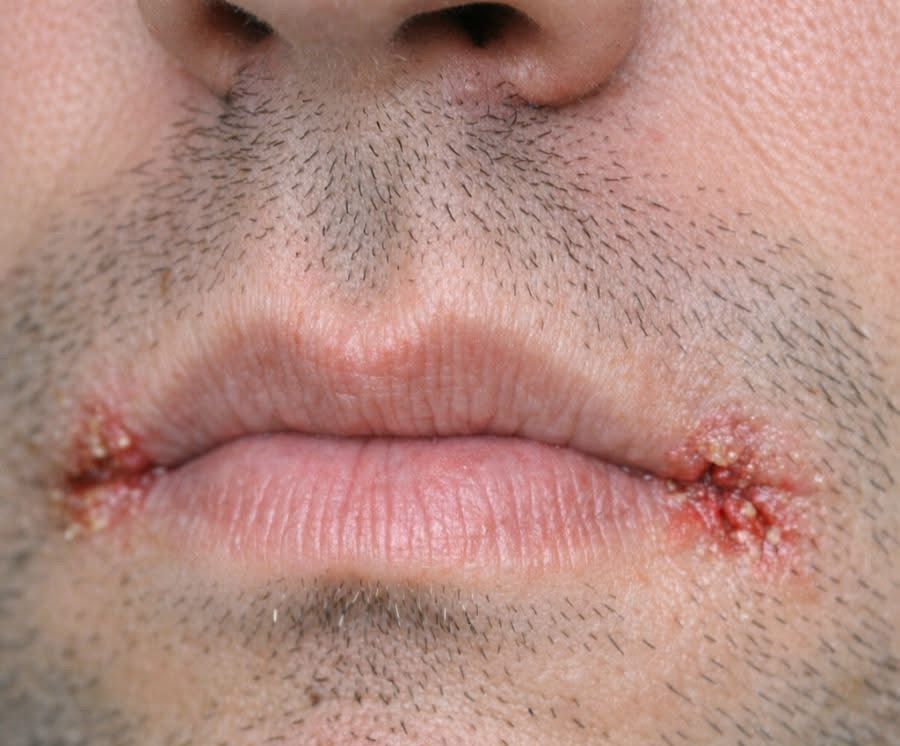

Cracks at the corners of the mouth can be more than just a minor annoyance; they can cause significant discomfort and embarrassment, especially when you have an important event like a presentation. These painful splits can make everyday actions like eating, drinking, or even smiling a challenge. If your husband is suffering from this condition, known as angular cheilitis, you’re likely seeking a quick and effective solution to alleviate his pain and improve his appearance before the big day.
Fortunately, there are several strategies and remedies that can provide rapid relief and help heal those raw corners, reducing both pain and inflammation. This article will guide you through understanding the condition, immediate at-home treatments, and preventive measures to ensure your husband is ready for his presentation and can prevent future occurrences.
- What Those Painful Cracks Really Are: Understanding Angular Cheilitis
Angular cheilitis is an inflammatory condition affecting the corners of the mouth, resulting in red, swollen, and cracked skin. It is often caused by a combination of factors, including moisture buildup from saliva, a fungal or bacterial infection, or a deficiency in nutrients like vitamin B2 or iron. Understanding the root cause is crucial for effective treatment. The condition can affect anyone but is more common in people with weakened immune systems or who wear dentures. - Is It Serious? When Raw Mouth Corners Are More Than Just Chapped Lips
While angular cheilitis may seem similar to chapped lips, it can lead to more serious infections if not treated properly. In severe cases, the cracks can bleed and become infected, leading to increased pain and discomfort. It’s essential to distinguish between simple dryness and angular cheilitis to prevent complications and ensure proper care. - The Overnight Goal: Reduce Pain, Swelling, And Bleeding Before His Presentation
The primary goal for overnight treatment is to reduce the pain, swelling, and bleeding associated with the cracked corners. Applying soothing ointments and ensuring the area is clean and dry can help speed up the healing process. It’s important to address any potential infections and provide a barrier to protect the skin from further irritation. - Quick At-Home Relief: Gentle Cleaning And Immediate Soothing Steps
Start by gently cleaning the affected area with mild soap and water to remove any irritants or debris. Pat the area dry with a clean towel and apply a soothing ointment such as petroleum jelly or coconut oil to keep the skin moisturized and prevent further cracking. Aloe vera gel can also be applied for its cooling and anti-inflammatory properties. - The Power Of Barrier Ointments: Petroleum Jelly, Zinc, And Other Fast Helpers
Barrier ointments like petroleum jelly and zinc oxide are effective in locking in moisture and protecting the skin from external irritants. Apply a thin layer of these ointments to the affected area several times a day, particularly before bedtime, to allow the skin to heal overnight. These products create a protective layer that can prevent the cracks from worsening. - Targeting Infection Fast: When To Use Antifungal Or Antibacterial Creams
If an infection is suspected, antifungal creams like clotrimazole or antibacterial ointments like bacitracin may be necessary. These should be applied as directed, usually two to three times per day, to target the underlying infection. It’s important to consult with a healthcare professional before using these treatments to ensure they are appropriate for your husband’s condition. - Smart Pain Control: Safe Ways To Numb And Calm The Area For A Big Day
To manage pain, consider using a topical anesthetic such as lidocaine, which can provide temporary relief and allow your husband to focus on his presentation without distraction. Over-the-counter pain relievers like ibuprofen can also be taken to reduce inflammation and discomfort. Ensure the use of these products is in line with the instructions or medical advice. - What To Avoid Tonight: Common Mistakes That Make Cracks Split Wider
Avoid licking the lips or corners of the mouth, as saliva can exacerbate the condition. Also, steer clear of acidic or spicy foods that might irritate the sensitive skin further. Finally, refrain from picking at the cracks, as this can lead to additional tearing and infection. - Morning-Of Strategies: How To Eat, Talk, And Yawn Without Reopening The Wounds
On the morning of the presentation, encourage gentle facial movements and apply a fresh layer of barrier ointment before eating or drinking. Choose soft, bland foods to minimize irritation. If your husband needs to yawn, advise him to open his mouth slowly and support the area with his fingers to prevent excessive stretching. - Discreet Appearance Fixes: Making The Corners Look Less Red And Raw On Camera
To conceal redness, a green-tinted concealer can neutralize the color before applying a skin-toned concealer. Opt for a non-irritating, hypoallergenic product to avoid further aggravation. Apply with a light touch to blend the edges seamlessly with the surrounding skin for a natural look. - Longer-Term Prevention: Stopping Those Cracks From Ever Coming Back
To prevent future occurrences of angular cheilitis, maintain good oral hygiene and keep the mouth area dry. Ensure a balanced diet rich in essential vitamins and minerals. Regularly apply a moisturizing lip balm, particularly in dry or cold weather, and consult a healthcare professional if the condition frequently returns to explore underlying causes.