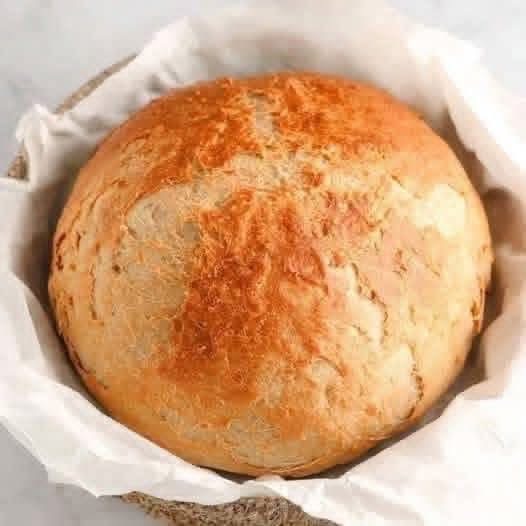

Artisan Cheese
Introduction
Artisan cheese is more than just food — it’s a craft. Made in small batches using traditional methods, artisan cheeses highlight rich flavors, unique textures, and the character of the milk they come from. Whether soft and creamy or firm and aged, making your own artisan cheese at home is a rewarding and delicious experience.
Ingredient
4 liters whole milk (preferably raw or non-UHT)
1/4 teaspoon mesophilic starter culture
1/4 teaspoon liquid rennet (diluted in 1/4 cup cool water)
1 teaspoon calcium chloride (optional, for pasteurized milk)
1 tablespoon salt
Instruction
Pour the milk into a large pot and slowly heat it to 30°C (86°F)
Add the starter culture and gently stir for 1 minute
Cover and let the milk ripen for 45 minutes
Add the diluted rennet and stir gently for 30 seconds
Cover and let sit undisturbed for 45 minutes until a firm curd forms
Cut the curd into small cubes using a knife
Let the curds rest for 5 minutes
Slowly heat the curds to 38°C (100°F), stirring gently
Maintain the temperature and stir for 30 minutes until curds firm up
Drain the whey using a cheesecloth-lined colander
Transfer curds into a mold and press for several hours
Remove from mold and rub salt over the cheese
Let the cheese age in a cool, humid place for at least 1–4 weeks
Method
This is a semi-hard artisan cheese method using mesophilic culture. The process involves curdling milk with rennet, cutting and cooking the curds, draining whey, pressing, salting, and aging. Aging time determines flavor — shorter aging gives a mild taste, while longer aging produces a sharper, more complex cheese.
Nutrition
Rich in protein
High in calcium
Contains healthy fats
Provides vitamins A and B12
Calories vary depending on fat content and aging
Benifits
Supports bone health
Good source of energy
Promotes muscle growth
Contains beneficial bacteria (if aged properly)
Free from unnecessary additives when homemade
History
Artisan cheese dates back thousands of years, originating when early farmers discovered that milk could be preserved by curdling and aging. Regions across Europe, especially France, Italy, and Switzerland, became famous for their traditional cheese-making techniques, many of which are still used today.
Conclusion
Making artisan cheese at home connects you to a timeless tradition. With simple ingredients and patience, you can create a flavorful, natural product that’s far superior to most store-bought options. Experiment with aging times and techniques to develop your own signature cheese.