
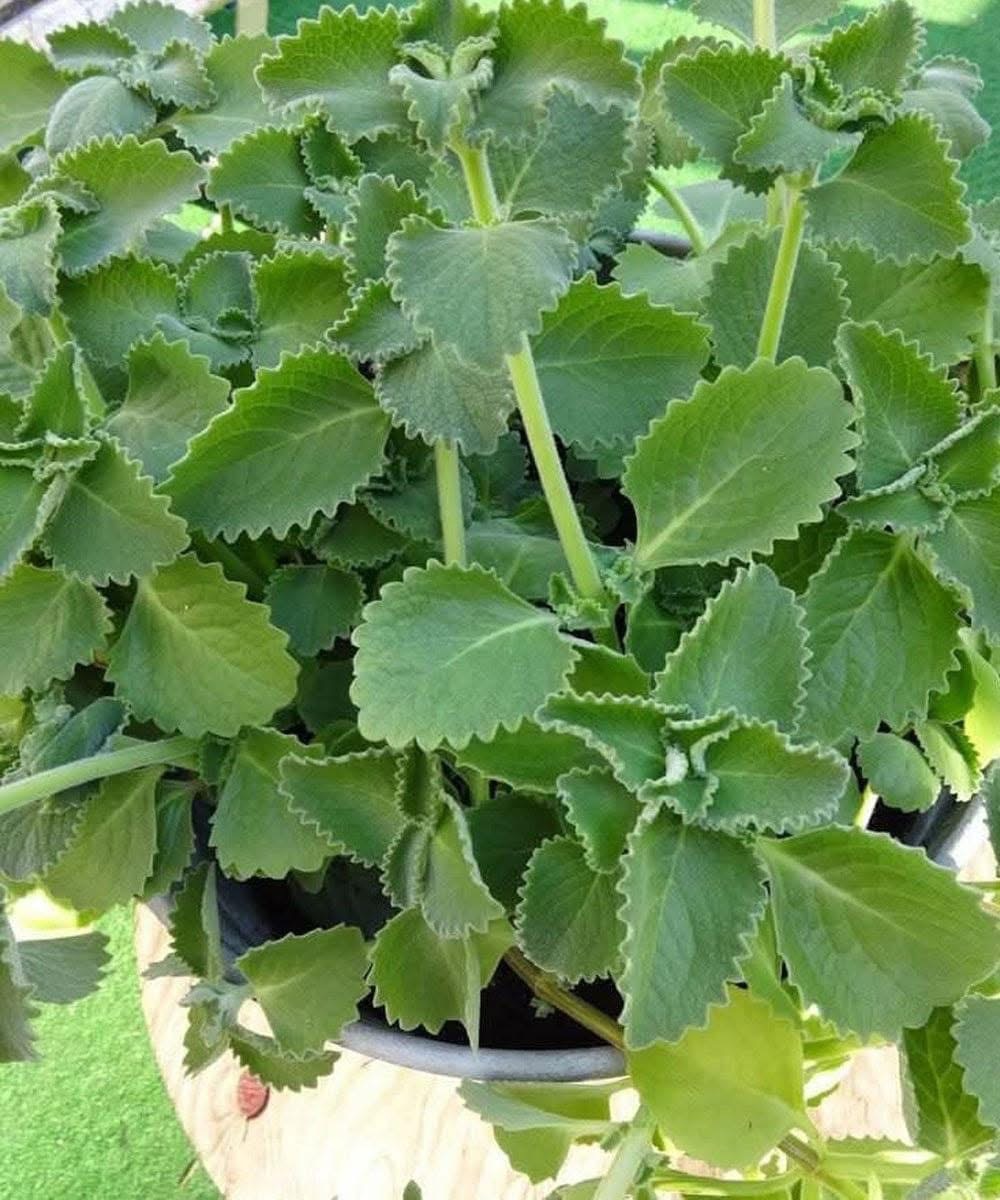
Oregano has been treasured for centuries as both a culinary herb and a traditional remedy. Beyond its bold aroma and flavor, modern science has begun to explore how oregano may contribute to overall wellness. The plant shown above is a type of oregano commonly known as Cuban oregano or Indian borage, which shares many beneficial compounds with common oregano varieties.
Phytochemical Profile
Oregano is rich in bioactive compounds, especially phenolic substances such as carvacrol, thymol, rosmarinic acid, and flavonoids. These molecules are responsible for much of oregano’s biological activity. They act primarily as antioxidants and antimicrobials, helping protect the body from oxidative stress and unwanted microorganisms.
Antioxidant Properties
Free radicals are unstable molecules that can damage cells and contribute to aging and chronic disease. Oregano contains strong antioxidants that neutralize these radicals. Studies have shown that oregano extracts demonstrate higher antioxidant capacity than many other culinary herbs, suggesting a supportive role in protecting cells from oxidative damage.
Antimicrobial Activity
One of the most studied aspects of oregano is its natural antimicrobial effect. Compounds such as carvacrol and thymol can inhibit the growth of certain bacteria and fungi. Laboratory research has demonstrated activity against organisms commonly linked to food spoilage and minor infections, which explains oregano’s long history as a preservative and medicinal herb in traditional systems.
Anti-Inflammatory Potential
Chronic inflammation is associated with many health conditions, including cardiovascular disease and metabolic disorders. Oregano’s phenolic compounds have been shown in experimental models to modulate inflammatory pathways by reducing the production of inflammatory mediators. This suggests oregano may help support the body’s natural inflammatory balance.
Digestive Support
Traditionally, oregano has been used to ease bloating, gas, and indigestion. Scientific investigations suggest its essential oils may stimulate digestive secretions and help control harmful gut microbes, indirectly supporting gut health and nutrient absorption.
Respiratory and Immune Support
In folk medicine, oregano leaves and infusions are commonly used for coughs and colds. Modern research links this practice to oregano’s antimicrobial and antioxidant effects, which may help the immune system respond more effectively to seasonal challenges.
Forms of Use
Oregano can be consumed fresh or dried in food, as herbal tea, or as essential oil (highly concentrated and used with caution). Whole-leaf and culinary uses are generally considered safe for regular consumption, while medicinal extracts should be used in moderate amounts.
Safety and Considerations
Oregano is safe as a food herb for most people. Concentrated essential oil, however, can be irritating and should not be taken undiluted. Individuals who are pregnant, allergic to plants in the mint family, or taking medications should consult a healthcare professional before using oregano therapeutically.
Conclusion
Scientific research supports many of oregano’s traditional uses, particularly its antioxidant, antimicrobial, and anti-inflammatory properties. While it is not a cure for disease, oregano can be a valuable part of a balanced diet and healthy lifestyle. By combining traditional knowledge with modern science, oregano stands out as more than just a flavorful herb—it is a plant with meaningful potential for supporting wellness.