
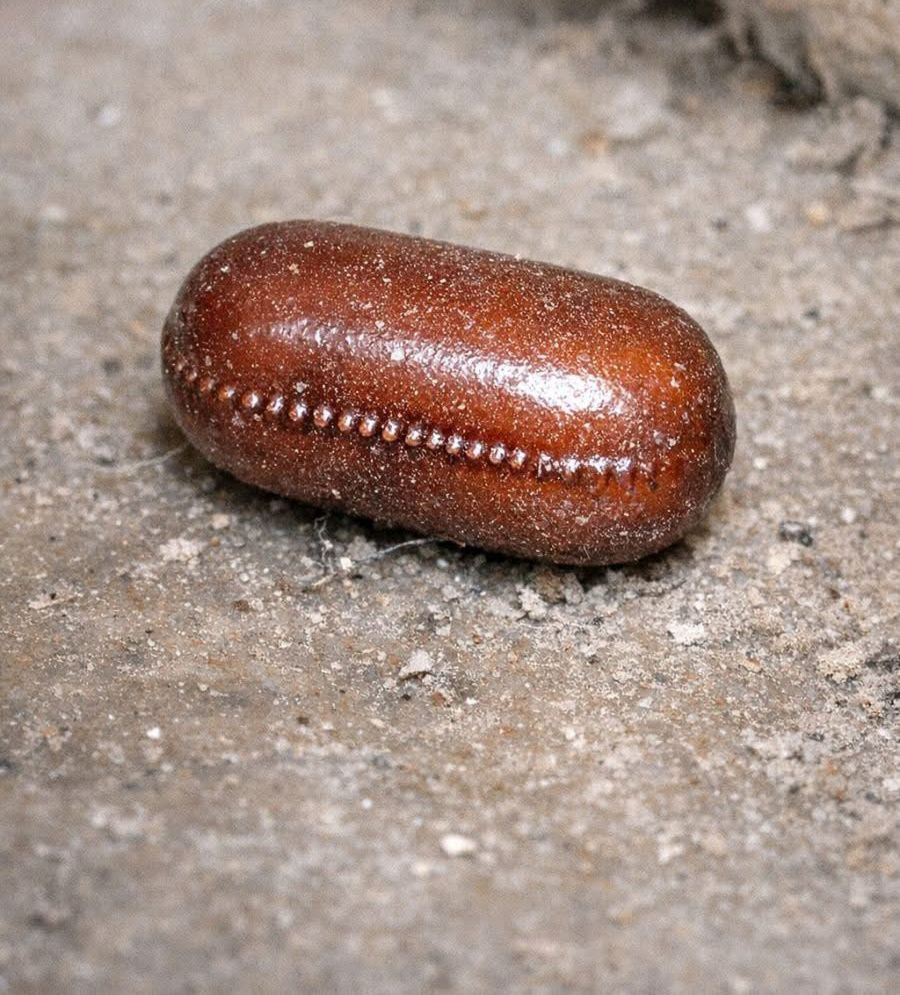
Discovering something unusual behind your kitchen cabinet can be unsettling, especially if it’s a small, hard, brown pill-shaped object with a strange ridge on the side. At first glance, it might resemble a dried bean, leading to confusion about its true nature. However, understanding what this object is and what it represents is crucial for maintaining a healthy and pest-free home environment.
In this article, we will delve into the mystery of this peculiar object, which is often identified as a cockroach egg case or ootheca. We will explore its characteristics, why it appears in common household spots, and what actions you need to take upon discovering it. By the end of this read, you’ll be equipped with the knowledge to handle such findings effectively and prevent future occurrences.
- First Things First: Why That “Dried Bean” Behind Your Cabinet Matters
Finding a cockroach egg case in your home is more than just an unpleasant surprise; it is a sign of a potential infestation. Cockroach egg cases, or oothecae, are protective capsules containing multiple eggs, which can lead to a significant increase in the cockroach population if left unattended. Each ootheca can contain anywhere from 10 to 50 eggs, depending on the species.
Addressing the presence of an ootheca promptly is essential for preventing the spread of cockroaches, which are known carriers of bacteria and allergens. These pests can contaminate food, surfaces, and even trigger asthma and allergies, particularly in children. Thus, finding and identifying an ootheca is the first step in safeguarding your home from these unwelcome intruders. - What A Cockroach Egg Case (Ootheca) Actually Looks Like
A cockroach egg case, or ootheca, is an oblong capsule that can vary in color from light tan to dark brown. The texture is typically hard and somewhat leathery, providing a protective environment for the developing eggs inside. The size of an ootheca can range from 5 to 9 millimeters, depending on the cockroach species.
The ootheca often has a distinct ridge along one side, which helps differentiate it from other small objects like beans or seeds. This ridge is where the egg case will split open when the nymphs are ready to hatch. Understanding these characteristics is key to identifying an ootheca accurately. - Key Clues: Size, Color, And The Strange Ridge Along The Side
When identifying a cockroach egg case, pay close attention to its size, color, and the presence of a ridge. Typically, these egg cases measure between 5 and 9 millimeters in length and are about 2 to 3 millimeters wide. The color can vary but usually falls within the spectrum of light tan to dark brown, making them blend in with their surroundings if not carefully observed.
The ridge along the side is a unique feature of the ootheca, which distinguishes it from similar-looking objects such as seeds or dried beans. This ridge functions as the hatch line where the young cockroaches will emerge. If you find an object that matches these descriptions, it is likely a cockroach egg case. - Common Household Spots Where Cockroach Egg Cases Turn Up
Cockroach egg cases can be found in various hidden and sheltered areas within a home, particularly in the kitchen. Common spots include behind kitchen cabinets, under appliances like stoves and refrigerators, inside pantry shelves, and even within cracks and crevices in walls or floors.
Cockroaches prefer dark, warm, and humid environments, which provide the ideal conditions for their eggs to hatch. Therefore, regularly inspecting these areas can help detect the presence of oothecae early on, allowing for timely intervention to prevent a larger infestation. - How To Tell A Cockroach Ootheca From Beans, Seeds, Or Rodent Droppings
Differentiating a cockroach ootheca from other small objects like beans, seeds, or rodent droppings involves examining several key factors. Unlike beans or seeds, which are usually uniform in shape and lack distinctive ridges, an ootheca has a characteristic ridge along its side and is less uniform in its curvature.
In comparison to rodent droppings, which are generally softer and more irregularly shaped, cockroach egg cases are harder and have a more consistent size and shape. Observing these traits can help you conclusively identify the object in question as a cockroach ootheca. - Which Cockroach Species Lay Egg Cases Like This?
Several cockroach species lay egg cases, but the most common culprits in household infestations are the German cockroach, the American cockroach, and the Oriental cockroach. The German cockroach’s ootheca is light brown and typically contains around 30 to 40 eggs, measuring approximately 7 to 9 millimeters in length.
The American cockroach, on the other hand, produces a larger and darker ootheca, roughly 8 to 10 millimeters long, containing about 12 to 16 eggs. The Oriental cockroach’s egg case is similar in size to that of the American cockroach but is usually darker in color. Knowing which species you are dealing with can guide your pest control efforts more effectively. - What Finding One Ootheca Really Means For Your Home
Discovering a single cockroach ootheca in your home can be alarming, as it indicates that cockroaches are present and likely breeding. Even one egg case can yield dozens of new cockroaches, which can quickly lead to a significant infestation if not addressed.
It’s important to recognize that cockroaches are nocturnal and secretive, so finding an ootheca suggests there may be many more hiding out of sight. Immediate action is required to prevent the situation from escalating and to protect your household from the health risks associated with cockroaches. - Immediate Steps To Take When You Discover A Suspected Egg Case
Upon discovering a suspected cockroach egg case, the first step is to carefully remove it using gloves or a tissue to avoid direct contact. Place the ootheca in a sealed plastic bag and dispose of it in an outdoor trash bin to prevent any eggs from hatching inside your home.
Next, thoroughly clean the area where the ootheca was found, using a disinfectant or a mixture of water and vinegar to eliminate any remaining cockroach scent trails. This can help deter other cockroaches from returning to the same spot. Additionally, conduct a thorough inspection of your kitchen and other potential hiding spots to identify any additional egg cases or signs of cockroach activity. - Cleaning, Disposal, And How To Prevent Eggs From Hatching
Proper cleaning and disposal are crucial to prevent cockroach eggs from hatching. After sealing the ootheca in a plastic bag and disposing of it outdoors, clean the surrounding area with a strong disinfectant to remove any pheromones left behind by the cockroaches.
To prevent future egg cases from hatching, maintain a clean and dry environment. Fix any water leaks, keep food sealed in airtight containers, and regularly empty trash bins. Reducing clutter and sealing entry points in walls and floors can also help minimize cockroach activity and prevent them from laying more eggs. - When To Call Pest Control Versus Handling It Yourself
Deciding whether to handle a cockroach problem yourself or to call in professional pest control depends on the severity of the infestation. If you find only one or two egg cases and no other signs of cockroach activity, you may be able to manage the situation with thorough cleaning and preventive measures.
However, if you discover multiple egg cases, live cockroaches, or persistent signs of infestation, it is advisable to contact a pest control professional. They can provide a comprehensive treatment plan to effectively eliminate the cockroaches and prevent future infestations, ensuring your home remains safe and pest-free. - How To Keep Cockroaches From Laying More Egg Cases In Your Kitchen
Preventing cockroaches from laying more egg cases in your kitchen requires a combination of cleanliness, maintenance, and exclusion techniques. Start by ensuring that all food items are stored in airtight containers and that spills and crumbs are promptly cleaned up.
Regularly inspect and fix any leaks or moisture issues, as cockroaches are attracted to damp environments. Seal cracks and crevices in walls, floors, and around plumbing to eliminate potential entry points. Additionally, consider using cockroach baits and traps as a preventive measure to catch any intruders before they can establish a presence in your home.