
Introduction
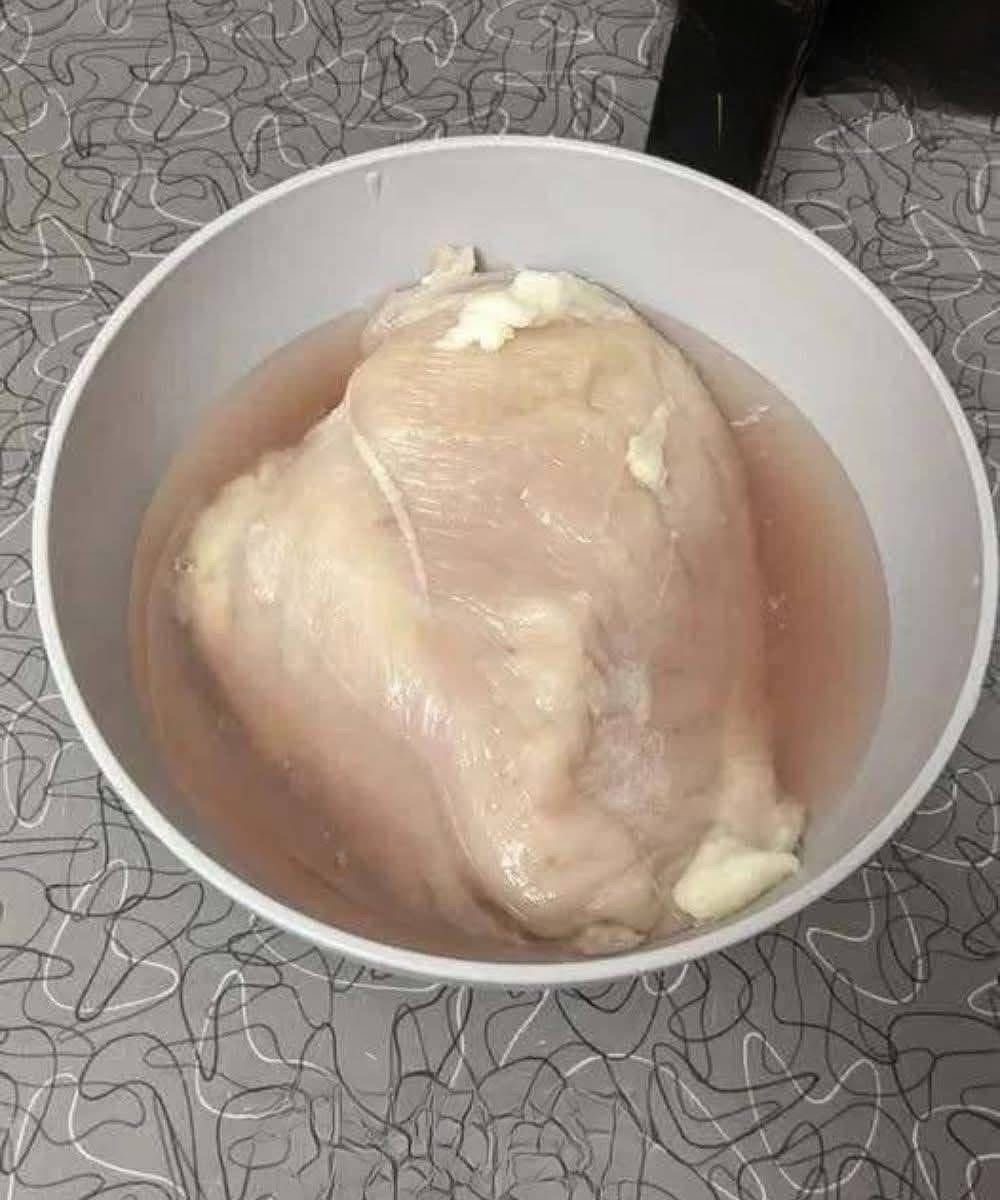
The image shows raw chicken pieces submerged in water inside a bowl. This is a very common sight in many kitchens around the world, especially before cooking. Some people soak chicken to clean it, others to tenderize it, reduce odors, or prepare it for seasoning. While this practice is traditional in many cultures, modern food safety and cooking science give us important guidance on when soaking chicken is useful, when it is unnecessary, and how to do it safely.
This article explains why people soak chicken, the benefits and risks, safe alternatives, and better methods to improve flavor and texture without compromising health.
What Is Happening in the Image?
The chicken appears to be:
- Raw and uncooked
- Submerged in plain water
- Possibly being rinsed or soaked before cooking
This step is often done before seasoning, marinating, or freezing.
Why Do People Soak Chicken in Water?
- Cleaning Tradition
In many households, soaking or rinsing chicken is believed to remove:
- Blood
- Residue
- Odors from raw poultry
- Reducing Strong Smell
Some raw chicken has a noticeable smell. Soaking is thought to neutralize it. - Tenderizing the Meat
Extended soaking (especially with salt or vinegar) can slightly affect texture. - Preparing for Marination
Some cooks soak chicken briefly before adding spices or marinades.
Food Safety: Is Soaking Chicken in Water Safe?
Important fact:
Plain water does NOT remove bacteria from raw chicken.
According to food safety experts:
- Washing or soaking chicken can actually spread bacteria around the sink, counter, and hands.
- Cooking chicken thoroughly is the only way to kill harmful bacteria.
Key Safety Rules:
- Do not splash water while handling raw chicken
- Always wash hands, knives, and surfaces after contact
- Never reuse soaking water
Benefits of Soaking Chicken (When Done Correctly)
If soaking is done properly, it can be useful:
- Brining (Water + Salt)
- Improves juiciness
- Enhances flavor
- Helps chicken stay moist during cooking
- Acidic Soaks (Short Time Only)
- Lemon juice or vinegar (briefly)
- Can reduce surface odor
- Should not exceed 15–30 minutes
- Milk or Buttermilk Soak
- Makes chicken tender
- Neutralizes strong smells
- Excellent for fried chicken
Risks of Soaking Chicken in Plain Water
- No real cleaning benefit
- Can spread bacteria
- Waterlogged meat (bland taste)
- Loss of natural flavor
For this reason, plain water soaking is not recommended unless followed by proper brining or marination.
Better Alternatives to Plain Water Soaking
1. Salt Brine (Best Option)
Ingredients
- 1 liter cold water
- 1 tablespoon salt
Method
- Submerge chicken
- Soak 30 minutes to 2 hours
- Rinse lightly and pat dry
Benefits
- Juicy chicken
- Better seasoning
- Improved texture
2. Lemon or Vinegar Rinse (Quick)
Method
- Add lemon juice or vinegar to water
- Soak for 5–10 minutes only
- Rinse and dry immediately
Use for:
- Strong poultry smell
- Traditional recipes
3. Milk or Buttermilk Soak
Method
- Fully cover chicken
- Refrigerate 2–12 hours
Benefits
- Very tender meat
- Great for frying or roasting
Cultural and Traditional Background
Soaking meat is a practice found in:
- North African cooking
- Middle Eastern kitchens
- Southern American cuisine
- Asian home cooking
Traditionally, it was used when refrigeration and modern hygiene were limited. Today, understanding safe preparation helps keep these traditions while protecting health.
Nutritional Impact
- Plain water soaking: no nutritional benefit
- Brining: improves moisture, no calorie change
- Milk soak: adds minimal fat and protein
- Over-soaking: may reduce natural flavor
Best Practices Summary
Handle chicken with clean hands
Use brine instead of plain water
Always cook chicken thoroughly
Clean surfaces immediately
Avoid long soaking in plain water
Conclusion
The image of raw chicken soaking in water reflects a common kitchen habit, but modern cooking knowledge shows that how you soak chicken matters more than soaking itself. Plain water does little for safety or flavor, while brining, milk soaking, or proper marination can transform chicken into a juicy, delicious, and safe meal.