
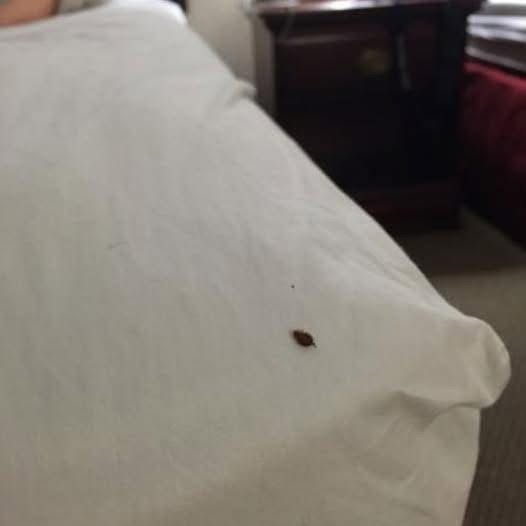
Finding a tick indoors can be unsettling—but staying calm and acting quickly reduces risk and prevents future encounters. Ticks don’t typically live or breed inside homes (they need high humidity to survive), so a single tick is usually a hitchhiker—not an infestation. Here’s exactly what to do:
Step 1: Safely Remove the Tick
Do NOT squash, burn, or use petroleum jelly—it can cause the tick to regurgitate pathogens into your skin.
Use fine-tipped tweezers:
Grasp the tick as close to the skin (or surface) as possible.
Pull upward with steady, even pressure—no twisting.
If on a person or pet, clean the bite area with soap and water or rubbing alcohol.
Step 2: Clean & Disinfect
Wash hands thoroughly.
Disinfect the area where the tick was found (floors, furniture, bedding) with soap and water or disinfectant.
If found on bedding or clothing, wash in hot water and dry on high heat (ticks die at temps >130°F/54°C)
Check pets, family members, and areas near entry points (doors, windows, baseboards).
Ticks often drop off after feeding or get carried in on shoes, clothing, or animals.
One tick ≠ infestation. True indoor tick infestations are extremely rare (only certain species like the brown dog tick can reproduce indoors—and even then, it’s uncommon).
Step 4: Prevent Future Ticks
Treat pets with vet-approved tick preventatives (e.g., Bravecto, Frontline).
Remove ticks from clothing before entering your home—tumble clothes in a dryer on high for 10 minutes to kill any hitchhikers.
Seal gaps around windows, doors, and foundations.
Keep lawns trimmed and avoid walking through tall grass near your home
When to Call a Professional
Contact a pest control expert if you:
Find multiple ticks over several days
See ticks climbing walls or in hidden areas (e.g., behind baseboards)
Have pets with recurring ticks despite treatment
The Bottom Line
A single tick indoors is almost always an isolated incident—not a sign of danger. By removing it properly, cleaning thoroughly, and taking simple preventive steps, you protect your home without overreacting