
Green Onions Scallions Cultivation Nutrition Uses and Economic Importance
Green Onions Scallions Cultivation Nutrition Uses and Economic Importance
Introduction
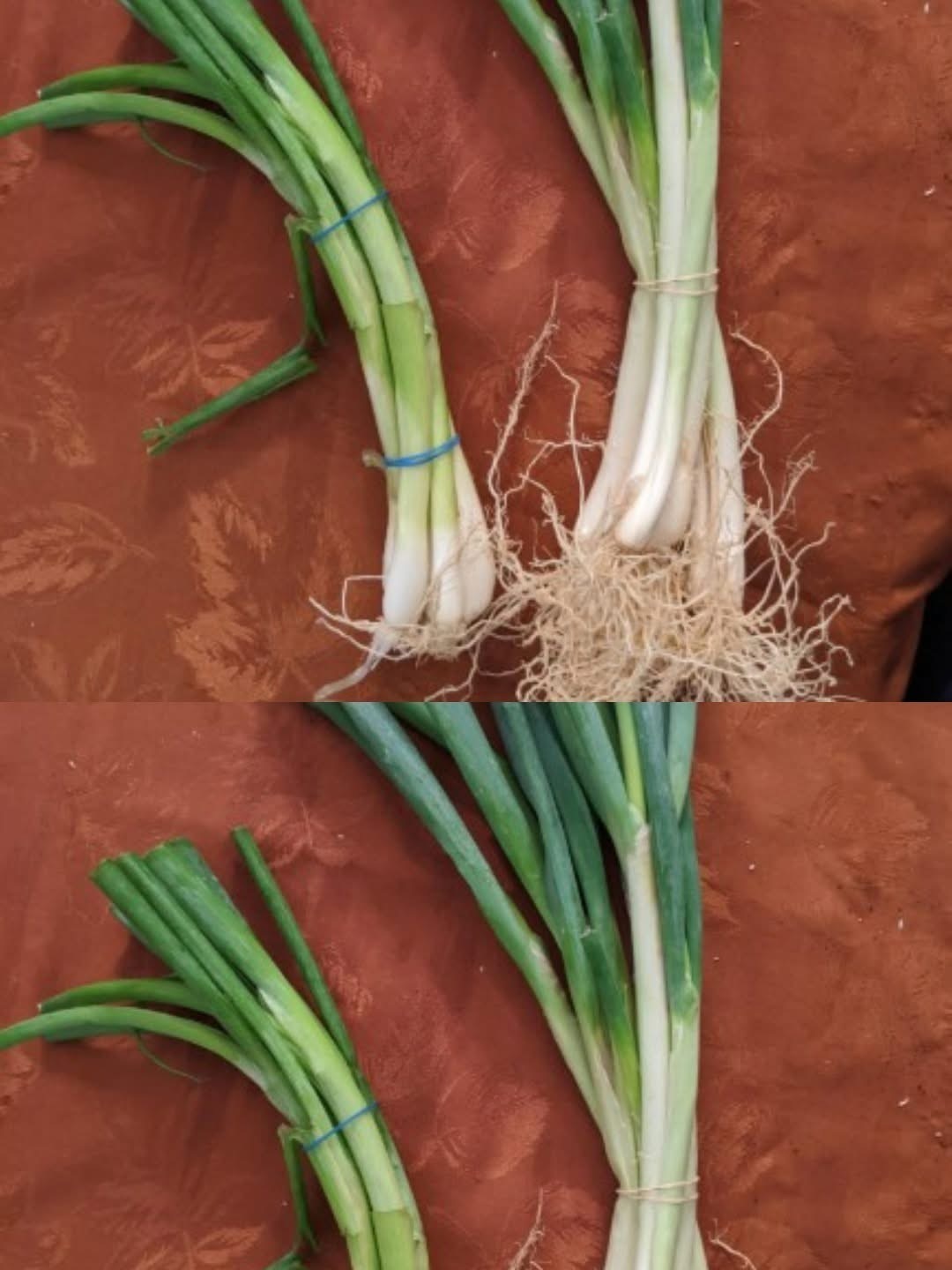
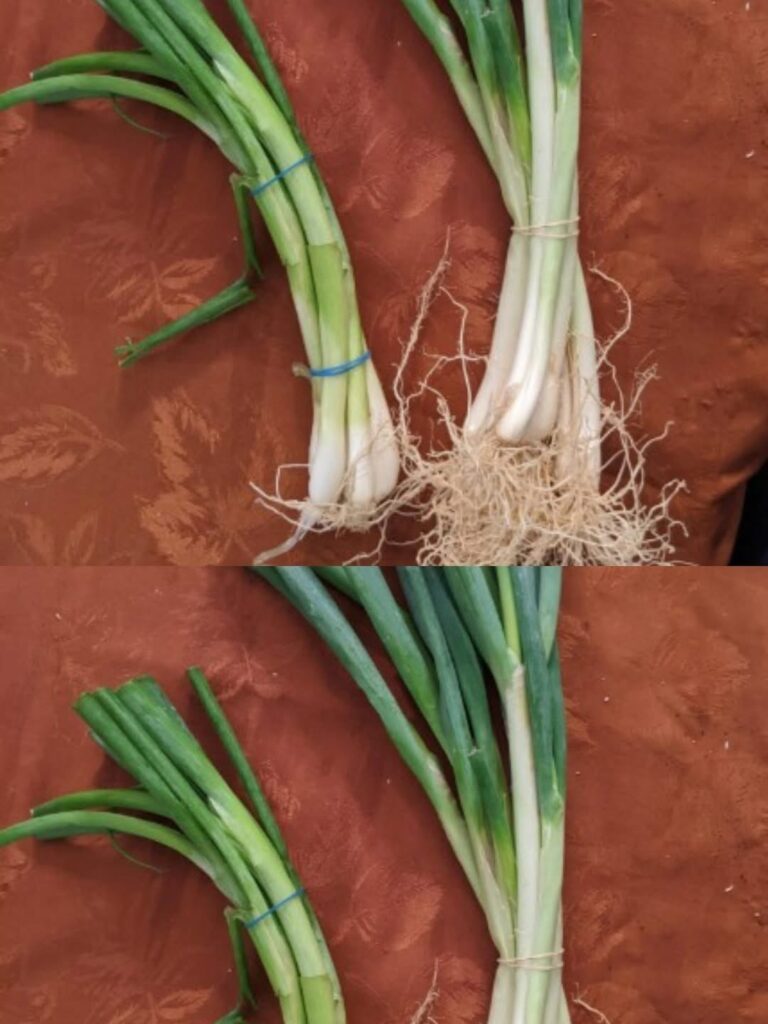
Green onions, commonly known as scallions or spring onions, are one of the most widely used vegetables in kitchens around the world. Recognizable by their long green hollow leaves and slender white bulbs with roots attached, green onions are prized for their mild flavor, versatility, and nutritional value. The image illustrates bunches of freshly harvested green onions, some with roots intact, highlighting different sizes and maturity levels commonly seen in local markets and farms.
Green onions belong to the Allium family, which also includes garlic, onions, leeks, and chives. Unlike bulb onions, green onions are harvested early before the bulb fully develops, allowing both the white base and green tops to be consumed.
Botanical Description
Green onions consist of three main parts:
- Roots – Thin, fibrous roots that absorb nutrients and water from the soil.
- White Stem (Pseudostem) – The edible base formed by overlapping leaf sheaths; mildly pungent and crisp.
- Green Leaves – Hollow, tender leaves with a fresh, grassy onion flavor.
The image shows onions at varying thicknesses, which indicates differences in soil fertility, spacing, and harvesting time.
Cultivation and Growing Conditions
Climate and Soil
Green onions grow best in:
- Cool to moderate climates
- Well-drained, fertile soil
- Soil pH between 6.0 and 7.0
They are fast-growing and suitable for both commercial farming and home gardens.
Planting
- Seeds or small onion sets are planted directly into the soil.
- Rows are spaced closely since large bulbs are not required.
- Germination usually occurs within 7–10 days.
Watering and Care
- Regular watering is essential, especially during dry periods.
- Excess water should be avoided to prevent root rot.
- Minimal fertilization is required, though nitrogen-rich soil encourages leafy growth.
Harvesting
Green onions can be harvested:
- 20–30 days for baby scallions
- 40–60 days for thicker stems
The image shows freshly pulled onions with roots attached, a sign of recent harvesting and freshness.
Nutritional Value
Green onions are low in calories but rich in essential nutrients.
Key nutrients include:
- Vitamin C – boosts immunity
- Vitamin K – supports bone health
- Vitamin A – good for vision and skin
- Folate – important for cell growth
- Antioxidants – help reduce inflammation
They also contain small amounts of calcium, potassium, and fiber.
Culinary Uses
Green onions are valued for their mild onion flavor, which is less sharp than mature onions.
Common Culinary Applications:
- Garnish for soups, noodles, and rice dishes
- Ingredient in salads and stir-fries
- Flavor base for sauces and marinades
- Used in omelets, pancakes, and dumplings
- Added raw for crunch or cooked for sweetness
Both the white and green parts are edible, though they offer slightly different flavors.
Cultural and Global Importance
Green onions are used extensively across many cuisines:
- Asian cuisine – stir-fries, ramen, fried rice
- Middle Eastern cuisine – salads and dips
- Western cuisine – baked potatoes, casseroles, and salads
- African cuisine – stews and sauces
They are a staple ingredient because they are affordable, easy to grow, and adaptable to many dishes.
Economic Importance
Green onions are an important cash crop for small-scale farmers due to:
- Short growing cycle
- High market demand
- Low production cost
- Ability to harvest multiple times
The bundled presentation in the image suggests preparation for market sale, often seen in local vegetable markets.
Storage and Shelf Life
To maintain freshness:
- Store unwashed in the refrigerator
- Wrap in a damp paper towel or place in a perforated bag
- Can also be regrown by placing roots in water
Proper storage allows green onions to stay fresh for up to two weeks.
Conclusion
Green onions are a humble yet powerful vegetable that plays a vital role in nutrition, cuisine, and agriculture. The image captures their freshness and natural growth, emphasizing their farm-to-market journey. Easy to grow, rich in nutrients, and versatile in cooking, green onions continue to be an essential ingredient across cultures and cuisines worldwide.