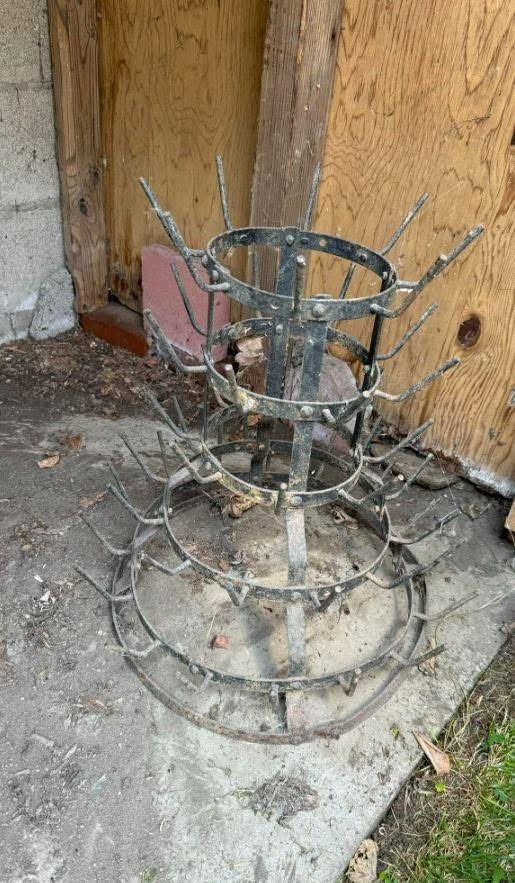

Tucked away in attics, thrift stores, and estate sales are “forgotten gems”—objects once cherished, now overlooked. But with a fresh eye and a little creativity, these vintage pieces can become the soul of your home: full of story, texture, and timeless charm.
Here’s how to see past the dust—and transform “old” into intentional, beautiful, and deeply personal decor
What Are “Forgotten Gems”?
These aren’t just antiques—they’re functional, often mass-produced items from the 1920s–1980s that have fallen out of fashion but retain quality, craftsmanship, or unique design:
Brass candlesticks with verdigris patina
Mid-century ceramic planters in earthy glazes
Wooden spools, typewriters, or apothecary jars
Vintage linens, quilts, or embroidered tablecloths
Old books, maps, or framed botanical prints
They’re not “junk”—they’re raw material for storytelling.
Don’t strip, paint over, or discard. Instead, honor the object’s history while giving it new life:
- Use It as Intended (But in a New Context)
A vintage milk glass pitcher → holds kitchen utensils or fresh-cut flowers
An old wooden ladder → becomes a blanket rack or plant stand
Antique dresser drawers → wall-mounted shelves for books or plants
- Group for Impact
Cluster ** mismatched vintage frames** in a gallery wall
Display a collection of brass doorknobs or keys on a tray
Stack old hardcover books as risers for candles or vases
- Mix Old + New for Balance
Place a 1950s ceramic lamp next to a modern sofa
Layer a hand-stitched quilt over a minimalist bed
Set a mid-century teapot on a sleek marble countertop
The magic happens in contrast—not perfection.
Why This Matters
Sustainability: Reusing = less waste, slower consumption
Uniqueness: No one else has your great-aunt’s china cabinet turned bar cart
Emotional depth: Every piece carries memory, even if it’s not yours
A home filled only with new things has no past. A home filled only with old things has no future. The best spaces live in between
How to Start Your Own Hunt
Visit thoughtfully: Thrift stores, flea markets, estate sales, Facebook Marketplace
Ask questions: “What was this used for?” “Where did it come from?”
Clean gently: Vinegar, mild soap, and soft cloths preserve patina
Start small: One vintage lamp or vase can anchor a room
Avoid These Traps
Overcrowding: Let each piece breathe
Forced themes: Not everything needs to be “farmhouse” or “boho”
Ignoring condition: Broken = charming; moldy or unsafe = not worth it
The Bottom Line
Vintage isn’t about replicating the past—it’s about curating meaning. Those “forgotten gems” aren’t outdated; they’re waiting for you to see their potential.
So next time you pass a chipped vase or a tarnished tray, pause. Look closer.
Because the right old thing in the right place doesn’t just decorate a room—
it gives it a soul.
The most beautiful homes aren’t filled with perfect things—they’re filled with loved things