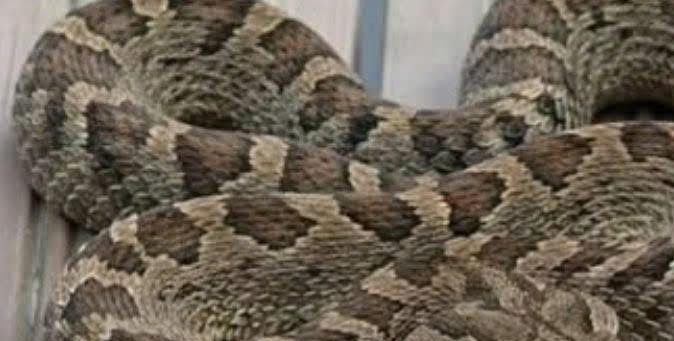

Snakes play a valuable role in ecosystems by controlling rodent and insect populations. Yet many homeowners prefer to keep them away from living spaces—a reasonable preference rooted in safety and comfort. While snakes are rarely aggressive (they typically bite only when threatened), prevention is the wisest approach.
Because snakes navigate their environment primarily through scent—using their forked tongues to collect particles and their Jacobson’s organ to interpret them—certain strong odors can act as natural deterrents. These scents don’t harm snakes; they simply make an area less appealing by overwhelming their sensitive sensory systems.
Below are seven plant-based or household scents shown to discourage snakes, along with practical, humane application methods. Important note: No repellent guarantees 100% effectiveness. For best results, combine scent deterrents with habitat modification (detailed at the end).
Seven Effective Deterrent Scents
- Clove & Cinnamon Oils
Why it works: Research indicates these essential oils disrupt olfactory receptors, creating a sensory signal snakes interpret as “avoid.”
Application: Mix 10 drops each of clove and cinnamon oil with 1 cup water in a spray bottle. Apply around foundations, garage doors, and crawl space entrances. Reapply every 2–3 days or after rain.
Caution: Avoid spraying where pets frequently walk; essential oils can irritate paws.
- Lemongrass
Why it works: Its sharp citrus aroma masks prey scents (like rodents) while creating an unwelcoming olfactory environment.
Application: Plant lemongrass in borders around gardens or patios. For immediate effect, dilute 15 drops lemongrass oil in 1 cup water; spray perimeter weekly.
Bonus: Also repels mosquitoes and flies.
- Garlic
- Garlic
Why it works: Sulfur compounds in garlic irritate a snake’s chemosensory system, making areas feel inhospitable.
Application: Blend 10 crushed garlic cloves with 2 cups water; strain and spray around decks, sheds, and garden beds. Replace fresh minced garlic in problem areas every 48 hours.
Tip: Combine with rock salt for enhanced effect (salt dehydrates but use sparingly to protect soil).
- Ammonia
Why it works: Its pungent odor mimics predator urine—a natural warning signal in the wild.
Application: Soak rags in ammonia; place inside sealed plastic containers with small holes punched in the lid. Position near suspected entry points. Never pour ammonia directly on soil—it harms plants and beneficial insects.
Safety: Use gloves; keep away from children and pets.
- Onions
Why it works: Like garlic, onions release sulfur-based volatiles that overwhelm snake sensory perception.
Application: Place halved onions near shed entrances, rock walls, or woodpiles. Replace every 2–3 days as scent fades. For broader coverage, simmer onion peels in water; cool and spray diluted solution along foundations.
- White Vinegar
Why it works: Acidity irritates snakes’ sensitive scales, discouraging them from crossing treated barriers—especially near water sources.
Application: Pour undiluted vinegar in a 6-inch band around ponds, pools, or drainage areas. Reapply after rainfall.
→ Note: Most effective as a perimeter barrier, not a broad-area solution.
- Peppermint Oil
Why it works: Its intense menthol scent overloads olfactory receptors without toxicity.
Application: Mix 15 drops peppermint oil with 1 cup water; spray around door thresholds, window wells, and garden edges. Refresh weekly. Cotton balls soaked in oil can be tucked into crawl spaces (replace monthly).
Bonus: Pleasant for humans; deters mice and spiders too.
Maximizing Effectiveness: An Integrated Approach
Scent deterrents work best when paired with habitat management. Snakes seek three things: food, shelter, and moisture. Address these to reduce attraction:
Eliminate hiding spots: Clear woodpiles, rock clusters, tall grass, and debris within 10 feet of your home.
Seal entry points: Inspect foundations, vents, and door sweeps; snakes can enter gaps as small as ¼ inch.
Manage prey populations: Control rodents with traps (not poison, which can kill snakes that eat poisoned rodents).
Reduce moisture: Fix leaky faucets; avoid overwatering gardens near the house.
Trim vegetation: Keep shrubs and tree branches pruned 12+ inches away from walls.
Safety & Ethical Considerations
Repellents are deterrents—not guarantees. They reduce likelihood of encounters but won’t eliminate all snakes.
Never handle snakes. Even non-venomous species may bite when cornered. If you encounter one indoors, close doors to contain it and call animal control.
Avoid venomous areas. In regions with rattlesnakes, copperheads, or cottonmouths, prioritize professional exclusion over DIY methods.
Protect pets and soil. Use essential oils sparingly outdoors; ammonia should never contact soil directly.
Respect wildlife. Snakes belong in ecosystems. Deterrence aims to redirect not harm—these beneficial reptiles.
A Balanced Perspective
Natural scent deterrents offer a humane, low-impact tool for reducing snake encounters near homes. They work not by frightening snakes, but by making human spaces less hospitable compared to wilder areas where they naturally thrive.
When paired with thoughtful habitat management, these methods support coexistence: protecting your family’s comfort while honoring snakes’ role in nature’s balance.
Remember: The goal isn’t to eradicate snakes—it’s to guide them toward spaces where they can hunt, shelter, and thrive without crossing paths with people.
Note: This guidance reflects humane wildlife management practices. For persistent snake issues or venomous species, consult a licensed wildlife professional.
