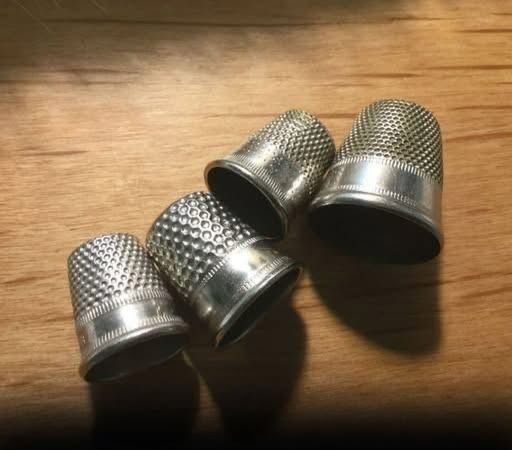

What Are These Mysterious Metal Objects?
If you’ve found small, silver, dome-shaped items like the ones in your grandmother’s cupboard, you’ve stumbled upon a charming piece of history — sewing thimbles. These tiny tools were once essential for hand-sewing and embroidery, protecting fingers from needle pricks while pushing needles through fabric.
What Exactly Is a Thimble?
A thimble is a small cap, usually made of metal, worn on the middle finger or thumb. Its surface is covered with tiny dimples or indentations that help grip the needle securely. Before sewing machines became common, thimbles were indispensable for tailors and homemakers alike.
A Glimpse Into History
Thimbles date back centuries — the earliest known examples were made of bronze and found in ancient Roman sites. By the 19th and early 20th centuries, they became household staples, often crafted from silver, brass, or porcelain. Some were even decorative, engraved with initials or floral patterns, and given as gifts.
In many families, thimbles were passed down through generations, symbolizing craftsmanship and care. Finding them in a crockery cupboard isn’t unusual — older generations often stored small valuables or keepsakes alongside dishes and heirlooms.
How to Identify Vintage Thimbles
Feature Description
Material Silver, brass, or steel (sometimes porcelain or bone)
Pattern Dimpled surface for grip; smooth rim for comfort
Size Fits snugly on fingertip
Markings Some have maker’s marks or hallmarks indicating origin
If your thimbles are silver, look for small stamped symbols inside or near the rim — these can reveal their age and maker.
Why They’re Collectible
Vintage thimbles are popular among collectors today. Silver thimbles, especially those with ornate designs or hallmarks, can hold surprising value. Antique sewing kits often included matching thimbles, scissors, and needle cases, making them prized finds for enthusiasts.
Fun Fact
In Victorian times, thimbles were sometimes used as tokens of affection. A man might give a silver thimble to his beloved as a practical yet romantic gift — a symbol of care and domestic partnership.
Final Thought
Those little metal caps in your grandmother’s cupboard are more than just curiosities — they’re relics of a time when sewing was an art practiced daily. Each thimble tells a story of patience, skill, and tradition. Whether you keep them as family heirlooms or display them as vintage treasures, they’re a beautiful reminder of craftsmanship that shaped everyday life